AI Automation
Why Companies Are Building AI Powered Internal Tools
The most impactful AI deployments in 2026 are not customer-facing chatbots. They are internal tools that make teams faster, smarter, and more consistent. Companies that invest in AI-powered internal tools are pulling ahead because they compound the productivity of every person in the organization, not just those who interact with a product.
What AI Internal Tools Actually Look Like
The category is broader than most people expect. Internal copilots help team members draft responses, generate reports, or answer questions using your company's own data. Document processors extract structured information from contracts, invoices, applications, or support tickets automatically. Smart dashboards surface anomalies and patterns that humans would miss in raw data. Decision support tools present relevant context to help team members make better calls faster.
These are not science fiction. They are being built and deployed today by companies across industries.
The Productivity Multiplier Effect
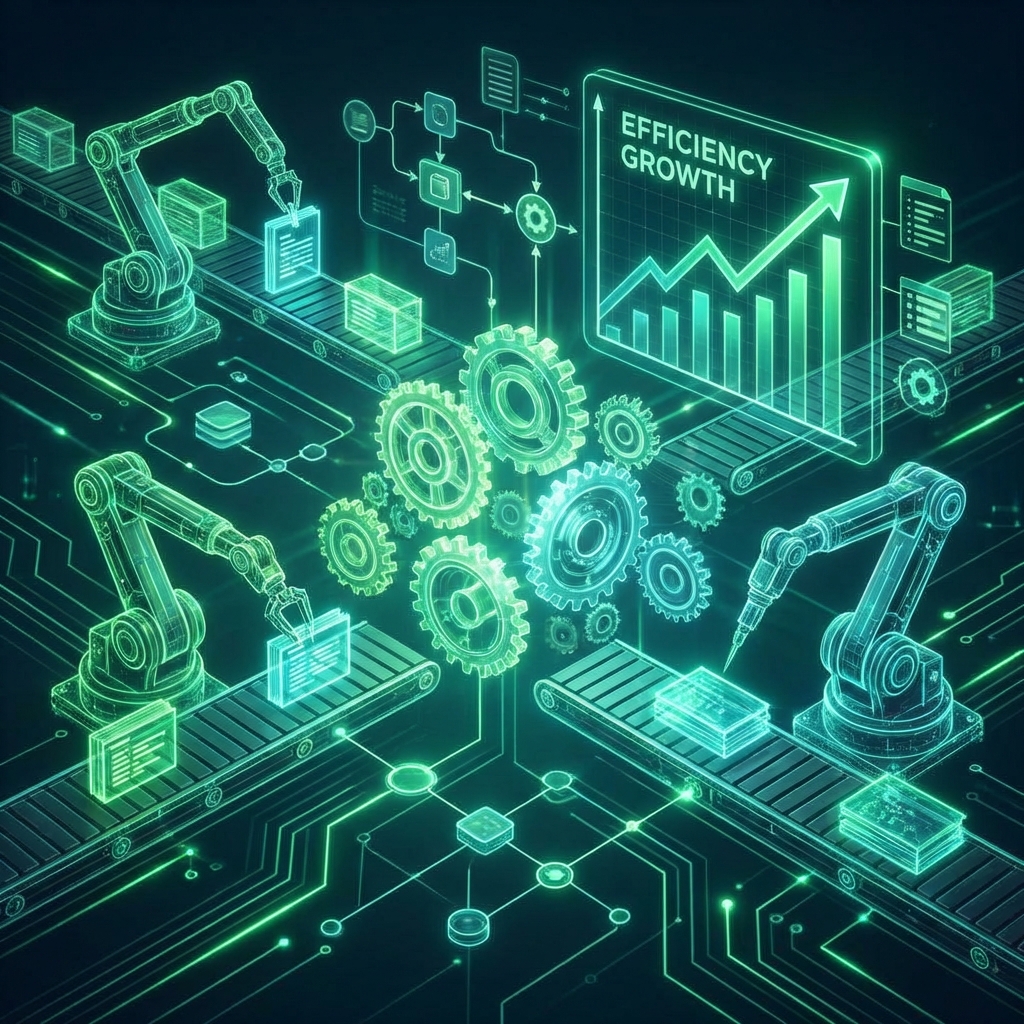
When a single engineer can ship twice as fast because they have an AI assistant, that is a meaningful gain. But when every person across your operations, sales, legal, and support teams gets a similar productivity boost, the cumulative effect is transformative.
This is why internal tools often deliver better ROI than customer-facing AI features. The value accrues to the entire organization, not just one segment of users.
Why Now
Three things changed simultaneously. Language model quality crossed a threshold where outputs are reliable enough for real work. API costs dropped to the point where using these models at scale is economically viable. And the tooling for building and deploying these systems matured enough that small engineering teams can build production-grade AI tools in weeks rather than months.
What to Build First
Start with the highest-friction, highest-volume manual tasks in your organization. Talk to your operations team, your support team, and anyone who processes large volumes of documents or handles repetitive requests. The first AI internal tool you build should solve a problem that is visible, painful, and easy to measure.
At XploitDevMatrix, we typically start with a discovery session to map these workflows, then build a focused proof of concept that shows measurable value within four weeks. That momentum makes the case for expanding the investment.
Building vs Buying
There are off-the-shelf AI tools for internal use, but they often lack the ability to connect to your specific systems and data. A custom internal AI tool built around your workflows, your data, and your team's actual needs will outperform a generic solution. It also gives you full control over data privacy, which matters when handling sensitive business information.